
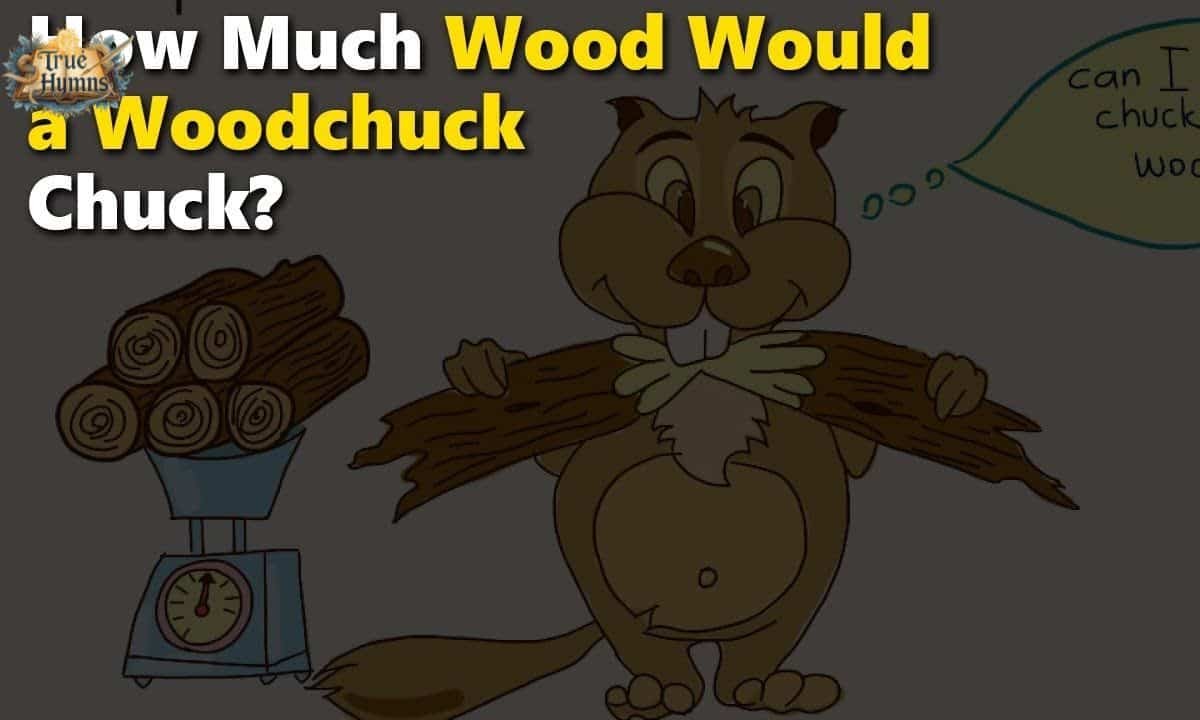

You’ve heard it. You’ve tried it. And chances are, you’ve tripped over it halfway through. The phrase “How Much Wood Could a Woodchuck Chuck” isn’t just a silly question. It’s a linguistic workout wrapped in humor.
Let’s break it down, sharpen your pronunciation, and uncover the story behind this famous tongue twister.
Woodchuck Tongue Twisters: Fun & Practice Guide

Start simple. Then speed up.
Here’s the classic version:
How much wood could a woodchuck chuck if a woodchuck could chuck wood?
At first glance, it looks harmless. Say it slowly, and you’ll feel confident. Now try saying it five times fast. That’s where things get interesting.
Why does it trip you up?
- Repeated “w” and “ch” sounds
- Similar word patterns that blur together
- Quick shifts between syllables
To practice effectively, break it into chunks:
- “How much wood”
- “could a woodchuck chuck”
- “if a woodchuck could chuck wood”
Then stitch it together. Speed comes later. Accuracy comes first.
Think of it like learning a dance. You don’t jump into full tempo right away.
How Woodchuck Tongue Twisters Improve Pronunciation
Here’s the real value. This isn’t just wordplay. It trains your mouth and brain to work in sync.
When you practice “How Much Wood Could a Woodchuck Chuck”, you:
- Strengthen articulation muscles
- Improve clarity in fast speech
- Reduce slurring and mumbling
- Build confidence when speaking
For example, actors and public speakers often use tongue twisters as vocal warm-ups. It’s like stretching before a workout.
Try this quick routine:
- Say the sentence slowly
- Focus on each consonant sound
- Gradually increase speed
- Repeat daily for 2–3 minutes
Within a week, you’ll notice smoother speech. Words won’t stumble as much.
The Origin Behind the Woodchuck Tongue Twister
Now here’s where things get fascinating.
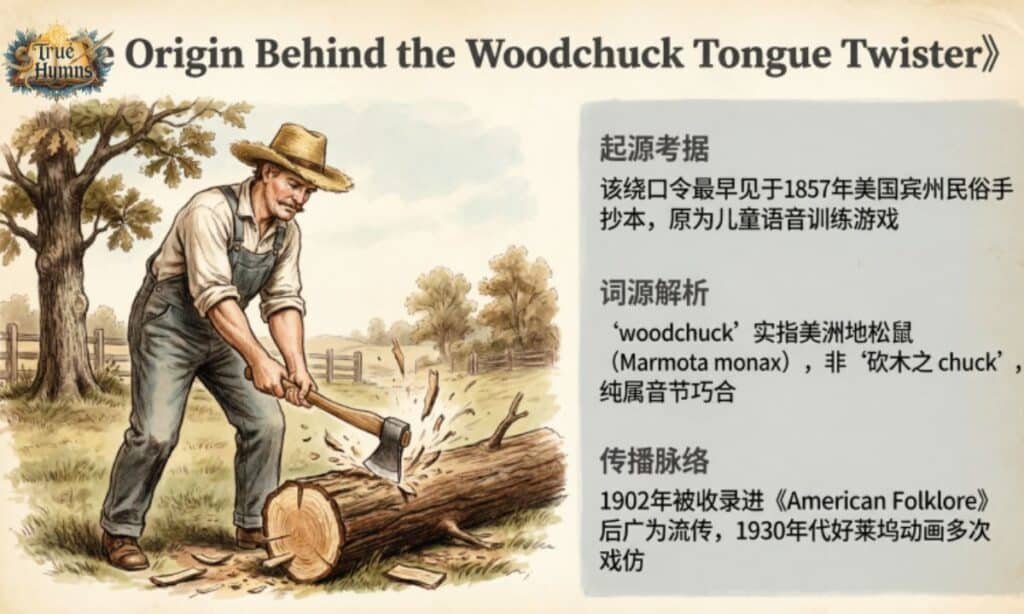
The phrase “How Much Wood Could a Woodchuck Chuck” dates back to the early 1900s. It gained popularity through American folklore and later appeared in song and literature.
But here’s the twist.
A “woodchuck” doesn’t actually chuck wood.
It’s another name for a groundhog. The term “chuck” likely comes from an Algonquian word “otchek,” meaning a type of animal.
So the phrase isn’t logical. It’s playful. That’s the whole point.
Still, people couldn’t resist answering the question.
Read More: https://truehymns.com/a-prayer-for-falling-in-love/
Key Takeaways from the Woodchuck Challenge
Let’s keep it simple and memorable:
- It’s a pronunciation tool, not a real question
- Repetition builds clarity, even in fast speech
- Breaking phrases into parts helps mastery
- Consistency beats speed every time
And perhaps most importantly…
You don’t need perfection. You just need progress.
Even stumbling through it has value. Each attempt sharpens your speech.
How Much Wood Could a Woodchuck Chuck Explained
Alright, let’s answer the question everyone secretly wonders about.
A wildlife expert once estimated:
A woodchuck could move about 700 pounds of dirt when digging a burrow.
So, if we stretch the idea…
If a woodchuck could chuck wood, it might handle a similar amount. Roughly 700 pounds.
Of course, that’s more imagination than science.
But it gives the tongue twister a fun, semi-serious answer.
Final Thought
“How Much Wood Could a Woodchuck Chuck” sticks around for a reason. It’s catchy, challenging, and oddly satisfying.
Say it once, and you smile.
Say it ten times, and you improve.
Now go ahead. Try it again. Faster this time.