
Baa, Baa, Black Sheep is one of the most loved nursery rhymes in the world. It has been passed down through generations and remains a favorite among children, parents, and educators. Known for its simple rhythm and memorable tune, this rhyme plays an important role in early childhood learning.
Origins of Baa, Baa, Black Sheep
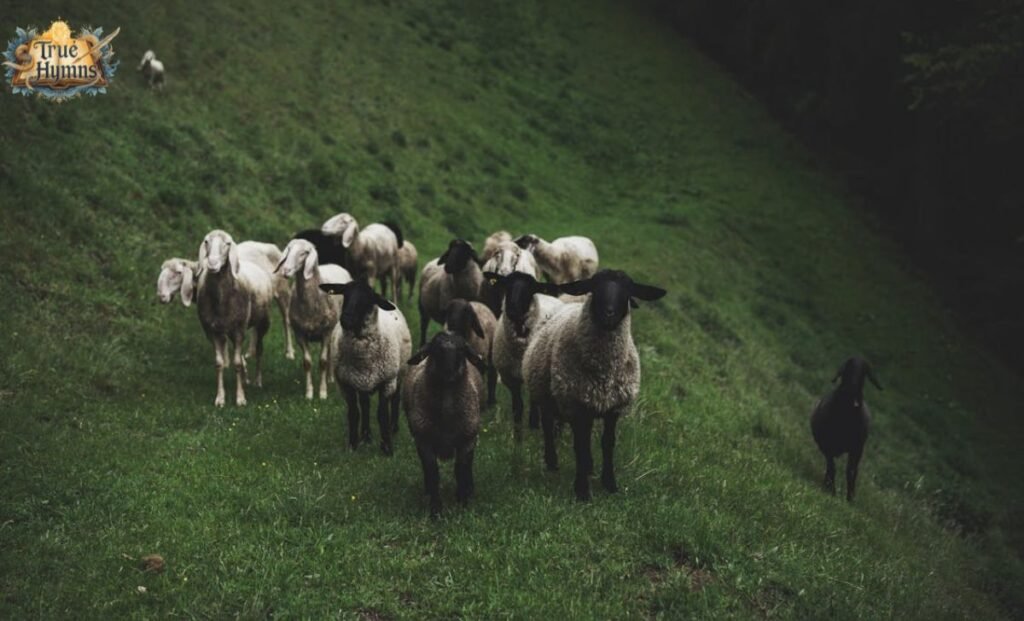
The rhyme Baa, Baa, Black dates back to the 18th century. It was first published in 1744 in Tommy Thumb’s Pretty Song Book. Interestingly, the melody is linked to a French song from 1761 titled “Ah, vous dirai-je, maman!”, which is also used in other famous rhymes.
Historically, the rhyme has been associated with the wool trade in medieval England. Over time, its meaning has shifted, and today it is mainly used as an educational and entertaining song for children.
Meaning Behind Baa, Baa, Black Sheep
The rhyme Baa, Baa, Black is often interpreted as a simple story about sharing. The “three bags full” represent distribution, teaching children basic concepts of fairness and giving.
Modern interpretations focus less on historical context and more on:
- Learning animal sounds
- Understanding simple questions and answers
- Building early communication skills
“Baa, Baa, Black Sheep” Lyrics
Modern version
Baa, baa, black sheep,
Have you any wool?
Yes sir, yes sir,
Three bags full.
One for the master,
One for the dame,
And one for the little boy
Who lives down the lane.
Original Version
Bah, Bah a black Sheep,
Have you have any Wool?
Yes merry have I,
Three Bags full,
One for my master,
One for my Dame,
One for the little Boy
That lives down the lane.
Educational Value of Baa, Baa, Black Sheep

Baa, Baa, is more than just a song—it’s a powerful learning tool. It helps children in multiple ways:
- Improves memory through repetition
- Enhances listening and speaking skills
- Teaches rhythm and pronunciation
- Introduces basic storytelling
This is why it is commonly included in educational songs for toddlers and preschool programs.
Read More: https://truehymns.com/i-am-poem/
Baa, Baa, Black Sheep in Animal Songs
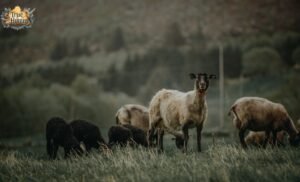
As one of the most popular animal songs for children, this rhyme introduces kids to sheep and their sound “baa baa.” It helps children connect sounds with animals, making learning fun and interactive.
Connection to Traditional Nursery Rhymes
Like other traditional nursery rhymes for kids, Baa, Baa, shares a musical foundation with classics such as alphabet songs and lullabies. These rhymes are essential in early education because they combine fun with learning.
How Baa, Baa, Black Sheep Helps Early Learning
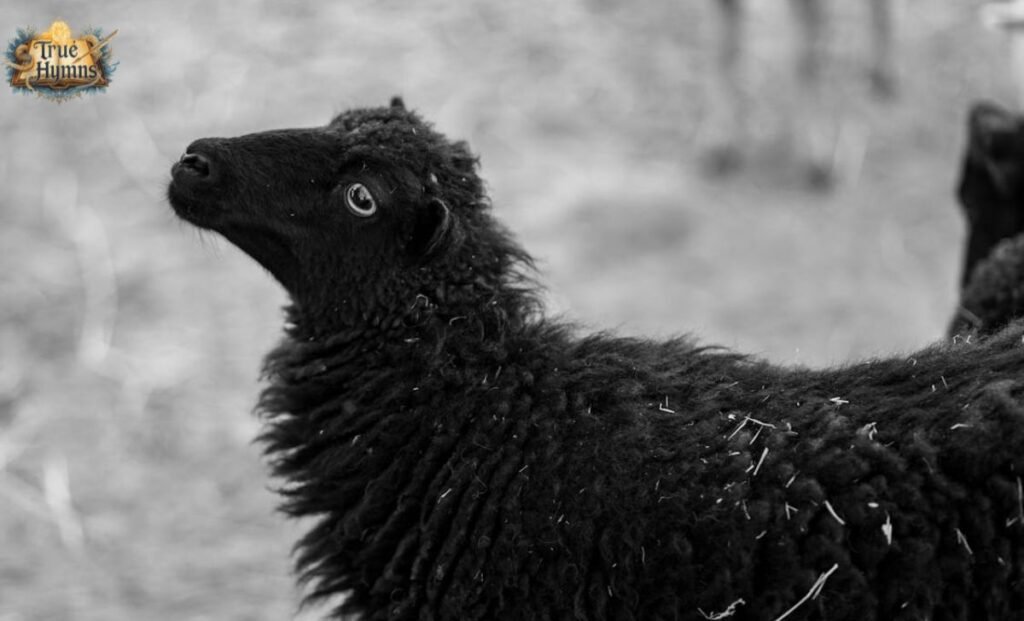
This rhyme supports early development by:
- Building vocabulary
- Teaching sentence structure
- Encouraging participation through singing
- Developing social interaction skills
It is widely used in preschool learning songs and early education systems.
Why Baa, Baa, Black Sheep Is Still Popular
Even after centuries, Baa, Baa, remains relevant because:
- It is simple and easy to remember
- It has a catchy melody
- It provides educational benefits
- It connects generations through shared culture
Read More: https://truehymns.com/serenity-prayer/
Fun Ways to Teach Baa, Baa, Black Sheep
To make learning more engaging:
- Use hand gestures while singing
- Show pictures of sheep
- Encourage kids to act out the rhyme
- Combine it with other kids songs about animals
Conclusion
Baa, Baa, Black Sheep continues to be a timeless nursery rhyme that blends fun, music, and education. Whether used at home or in classrooms, it plays a key role in helping children learn language, rhythm, and basic life lessons in an enjoyable way.