

What if the world didn’t end with a bang… but with a feeling?
That’s the unsettling question at the heart of “Fire and Ice” by Robert Frost. Written in 1920, just after the chaos of World War I, the poem strips the idea of apocalypse down to something deeply human. No meteors. No cosmic collapse. Just emotion.
In only nine lines, Frost delivers a sharp warning. Not about nature—but about us.
Summary of “Fire and Ice”
At first glance, the poem feels simple. The speaker presents two possible ways the world might end: fire or ice.
- Fire connects to desire.
- Ice reflects hatred.
The speaker leans toward fire as the more likely cause. Why? Because desire feels familiar. It burns fast. It consumes everything in its path.
However, the poem takes a turn.
Even if destruction happened twice, ice would work just as well. Hate, cold and quiet, can destroy just as completely.
Short poem. Big punch.
Main Theme: Desire, Hatred, and Human Destruction
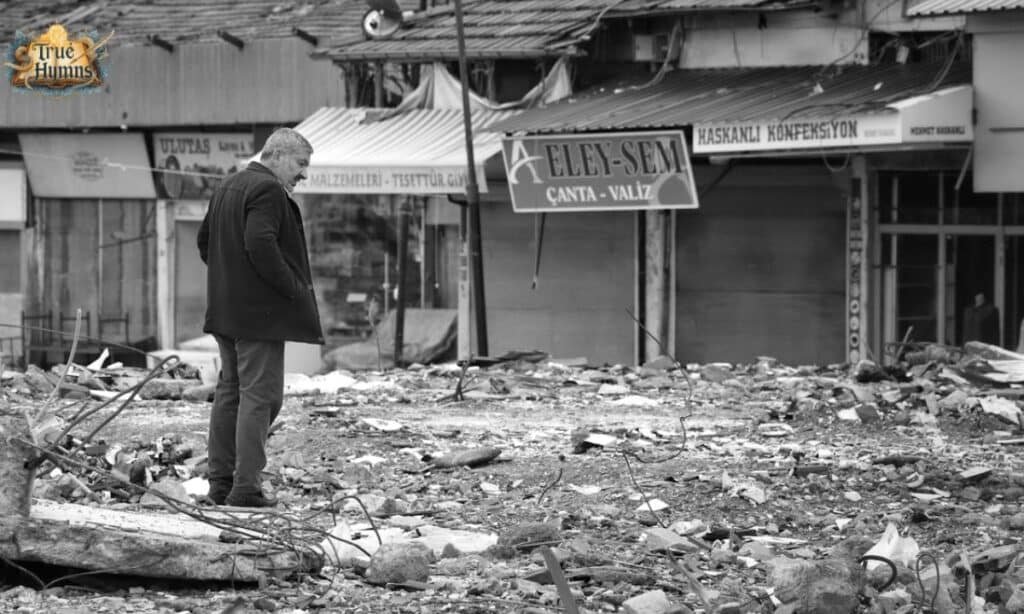
Let’s get real—this poem isn’t about weather.
It’s about human nature.
Frost uses fire as a symbol of:
- Passion
- Greed
- Anger
- Uncontrolled desire
On the other hand, ice represents:
- Hatred
- Indifference
- Emotional coldness
Both emotions feel different. One burns hot. The other freezes slow. Yet they lead to the same end.
That’s the twist.
Whether loud or silent, destruction still destroys.
Why This Theme Hits Hard
Think about it.
Wars don’t start from nothing. They rise from desire—power, control, dominance. That’s fire.
At the same time, entire societies collapse because people stop caring. That’s ice.
No action. No empathy. Just silence.
And silence can be deadly.
Lines 1–2: A Casual Start with a Dark Idea
“Some say the world will end in fire,
Some say in ice.”
The tone feels almost like small talk. Light. Conversational.
But look closer. The topic? The end of the world.
That contrast pulls you in immediately.
Lines 3–4: Personal Experience Speaks
“From what I’ve tasted of desire
I hold with those who favor fire.”
Now it gets personal.
The speaker isn’t guessing. He’s felt desire. He knows how intense it can be.
Fire isn’t theory—it’s experience.
Read More About This: https://truehymns.com/birthday-prayers-for-a-friend/
Lines 5–9: The Quiet Power of Ice
“But if it had to perish twice…
…ice is also great
And would suffice.”
Here’s where Frost flips the script.
Hate doesn’t explode like fire. It spreads slowly. It numbs. It isolates.
Yet in the end, it achieves the same result.
Destruction doesn’t need noise.
Symbolism in “Fire and Ice”
| Element | Symbol | Meaning |
| Fire | Desire | Passion, greed, destruction through intensity |
| Ice | Hatred | Coldness, indifference, slow destruction |
Both symbols feel opposite. Yet they point to one truth:
Human emotions can end everything.
Tone and Style: Why It Feels So Real

Frost doesn’t preach. He doesn’t dramatize.
Instead, he writes like he’s having a conversation with you.
Short lines. Simple words. Clear rhythm.
That’s what makes it powerful.
It feels easy to read. Hard to forget.
Hidden Meaning: A Warning About Humanity
Here’s the deeper layer.
The poem suggests that the end of the world won’t come from outside forces.
It will come from us.
- Our desires push us too far
- Our hatred pulls us apart
Either way, we lose.
And what’s more chilling?
There’s no third option in the poem. No escape. No hope of avoiding it.
Just two paths. Same destination.
Why “Fire and Ice” Still Matters Today
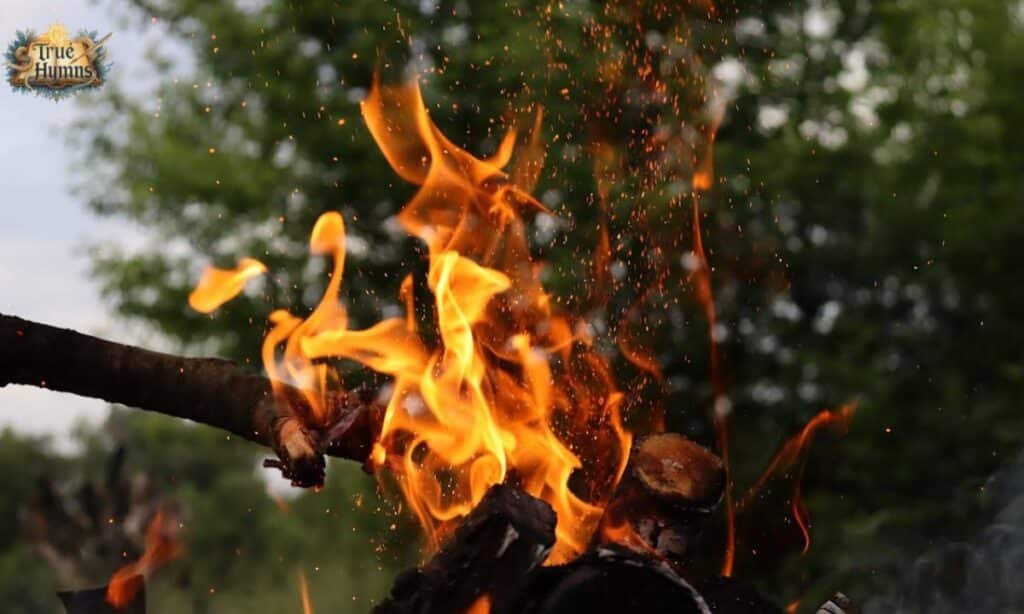
This poem feels more relevant than ever.
Look around:
- Conflict driven by power and ambition
- People growing distant, disconnected, indifferent
Sound familiar?
Frost didn’t just write about his time. He captured something timeless.
Human nature hasn’t changed.
Final Thoughts on “Fire and Ice” by Robert Frost
Small poem. Massive meaning.
“Fire and Ice” doesn’t try to impress with length or complexity. Instead, it cuts straight to the truth.
Desire can destroy us.
Hatred can destroy us.
Pick your poison.
Either way… it’s enough.